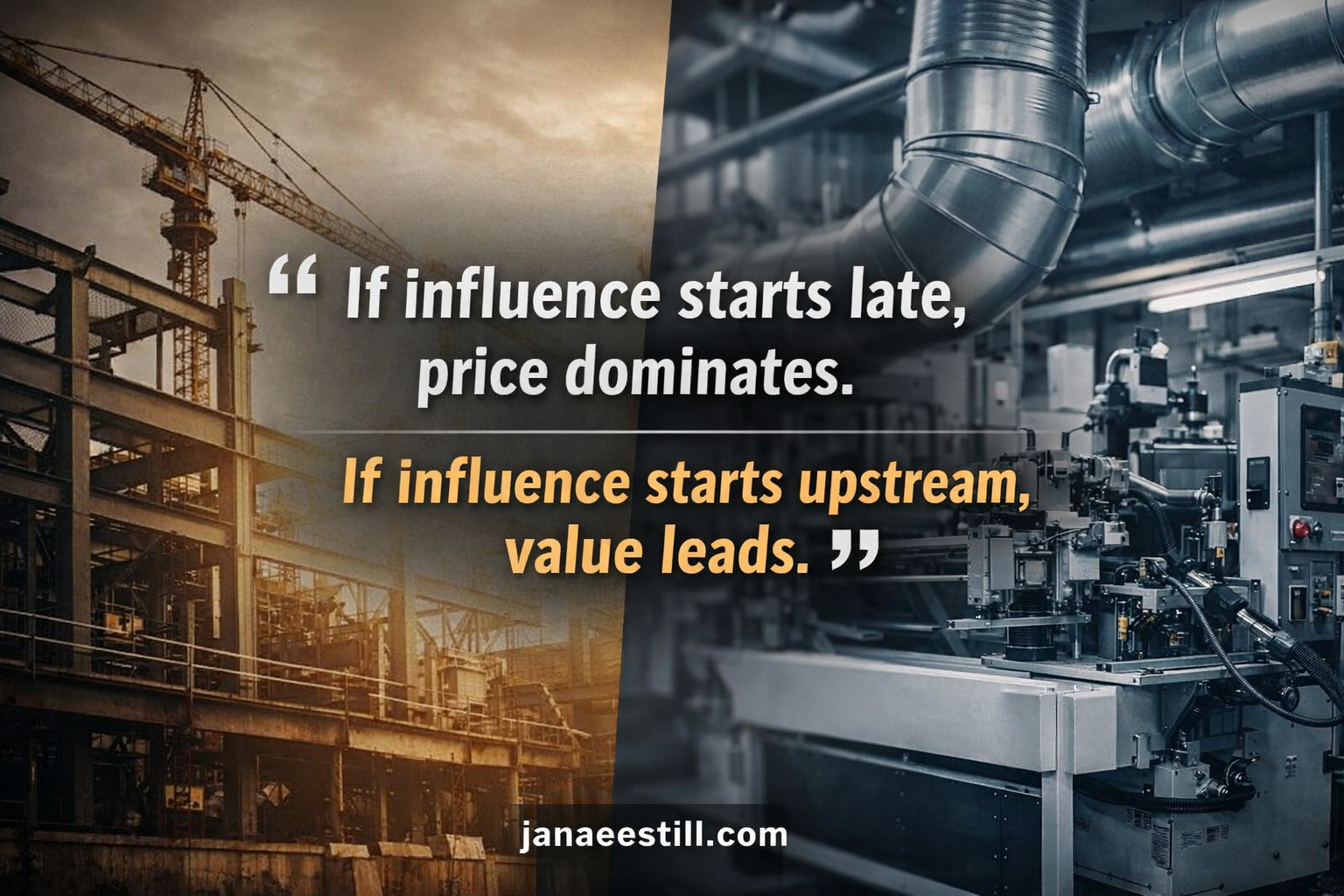
Sales Strategy for Skilled Trades and Manufacturing: Why Revenue Is Won Upstream
In bid-driven construction and spec-driven manufacturing, it’s easy to believe price determines everything. In reality, revenue is won upstream — before bids are submitted and before specs are written. Early influence, stakeholder alignment, and value clarity protect margin and fund long-term workforce stability.
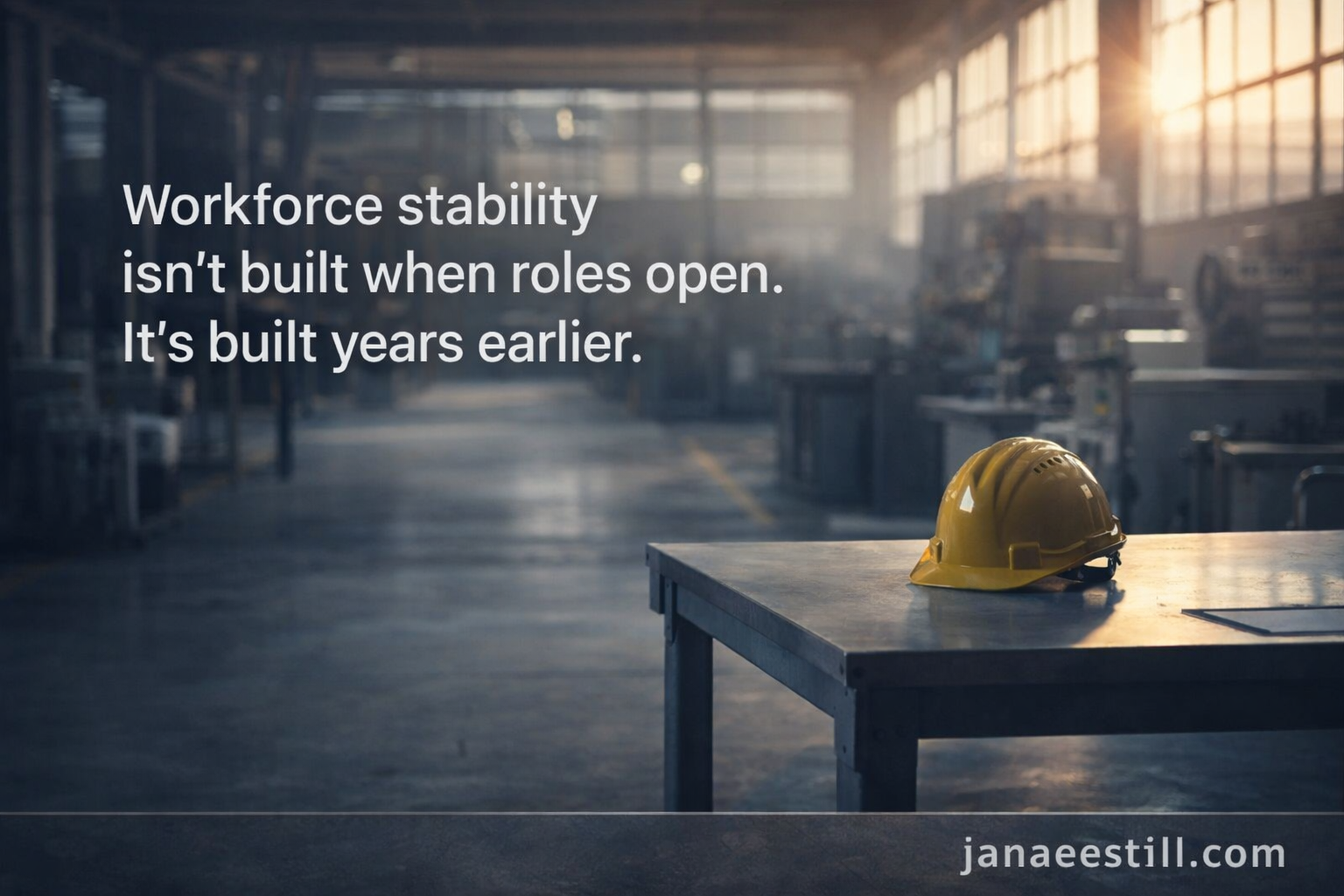
The Workforce Stability Clock Is Already Ticking -
Workforce stability isn’t determined when a position opens. It’s determined years earlier, through visibility, awareness, and leadership decisions made long before hiring begins. The organizations that recognize this now are not just filling roles. They’re protecting continuity, strengthening their teams, and preparing for the decade ahead.
The Skilled Trades Shortage Isn’t a Skills Problem — It’s a Visibility and Culture Problem
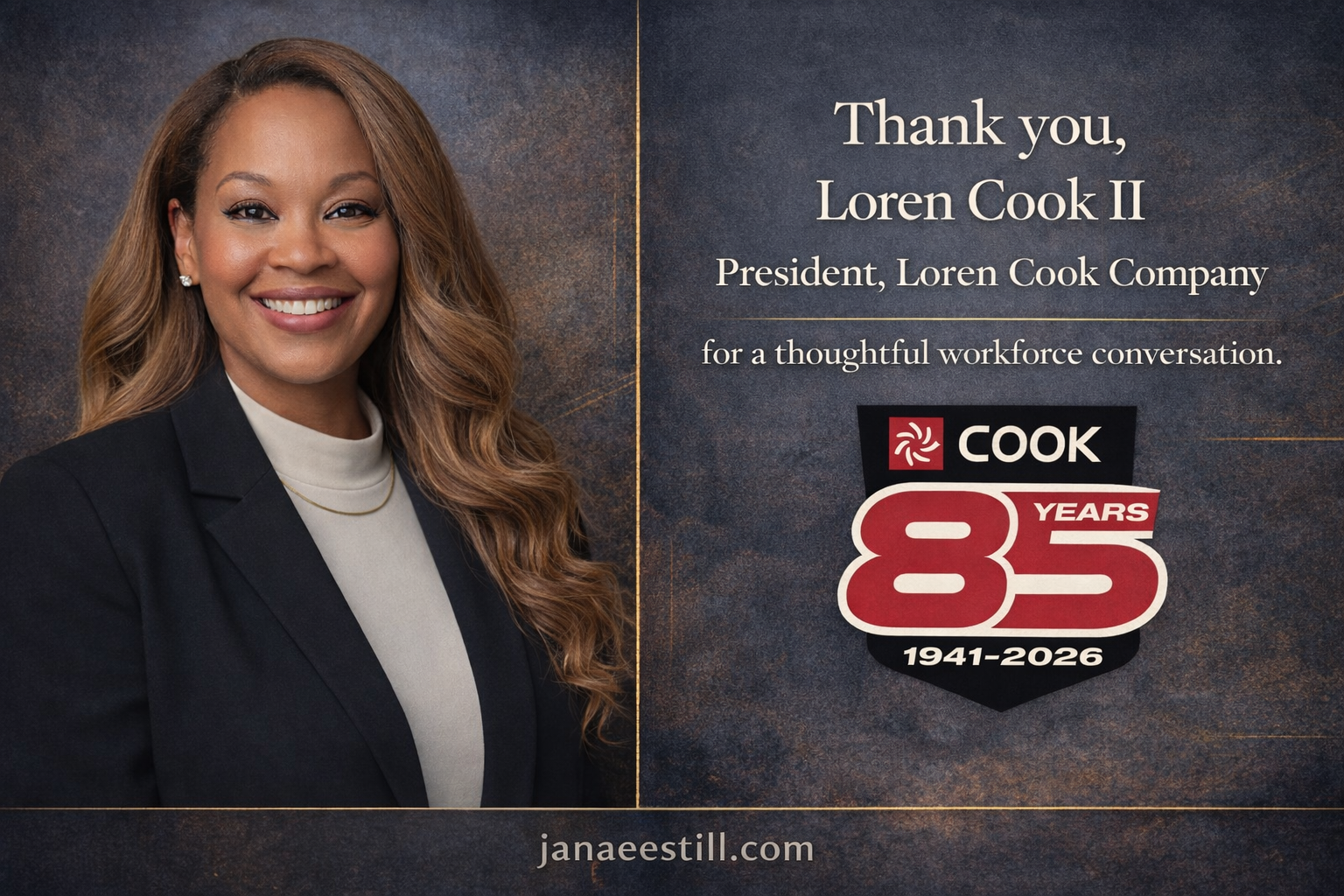
I recently spoke with Loren Cook II, President of Loren Cook Company in Springfield, Missouri, about what it really takes to strengthen the skilled trades pipeline—starting with visibility.
I’ve seen firsthand in Missouri classrooms and job sites alike: the future of our workforce isn’t a talent problem — it’s a visibility and culture problem. Too many students still hear a single, narrow story about success, while high-paying, meaningful skilled trade careers remain misunderstood or invisible.
In this discussion, we explored how early exposure, honest storytelling, and new tools like virtual reality can change that narrative. We also talked about why choosing a skilled trade should be held to the same level of rigor and respect as a four-year degree — because for many young people, it can lead to stronger outcomes, faster independence, and fulfilling careers.
This is about more than recruitment. It’s about reshaping how we talk about work, learning, and opportunity — so every student can see a path that truly fits them.
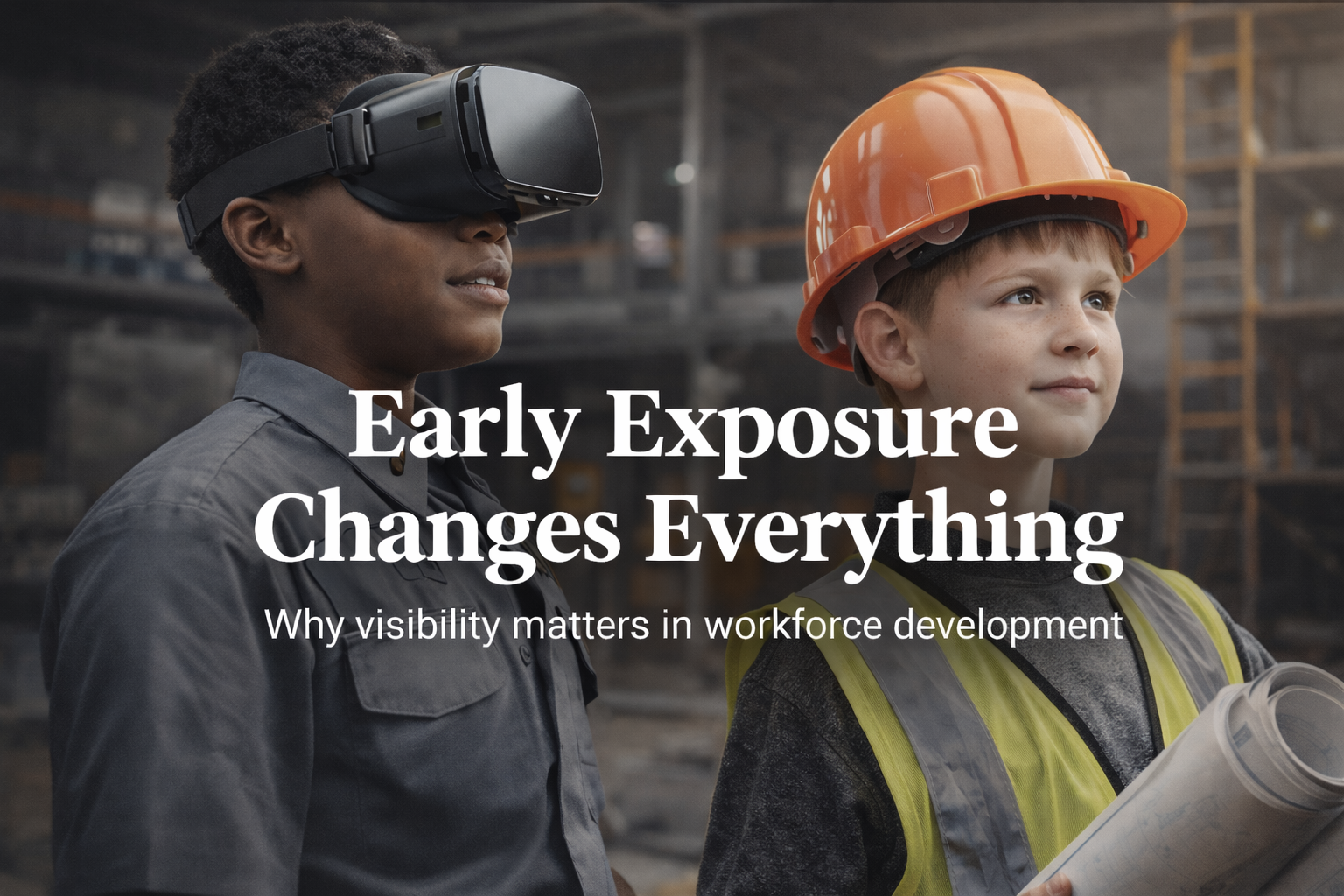
Early Exposure Changes Everything
Early exposure planted the seeds for my leadership journey—and today, I see its impact firsthand through my work with Missouri students and families. This post explores how hands-on learning, visibility, and collaboration can build stronger workforce pathways for the next generation.

One Company. Thousands of Open Jobs.
Ford says it has 5,000+ unfilled mechanic jobs. That’s not just a hiring problem—it’s a visibility problem. Here’s why skilled trades leaders have to start earlier, tell better stories, and meet the next generation where they are.
Why Growth Breaks at the Intersection of Sales, Systems, and People
Growth doesn’t break loudly. It erodes quietly when sales, systems, and people stop moving together. Alignment is the real growth lever.
Workforce Development Isn’t Broken — Visibility Is
The workforce isn’t disengaged. It’s under-exposed. When people can see real work and real pathways, confidence and interest follow.

Clarity Is the Most Underrated Growth Strategy
Growth rarely fails because teams aren’t working hard enough. It fails when clarity is missing. Alignment, not effort, is what allows growth to scale without burning people out.
What AI Gets Wrong About Hands-On Work
Hands-on work isn’t predictable or repeatable. AI adds value when it supports preparation and training — not when it tries to replace judgment in real environments.